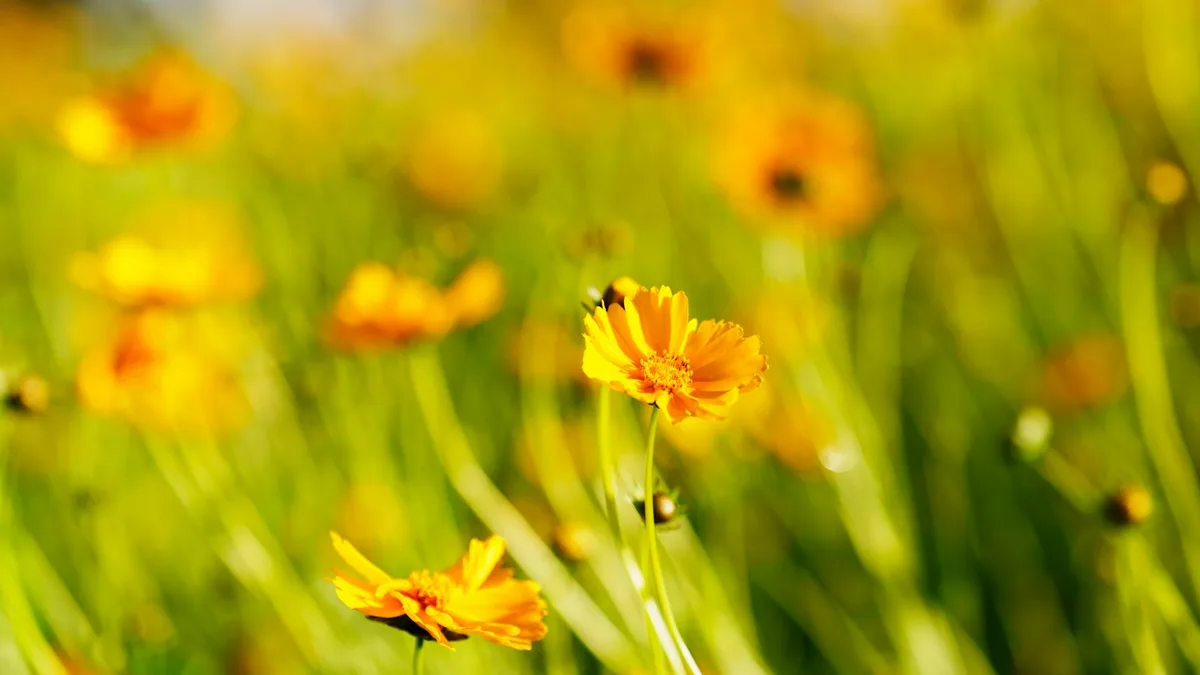
Central Florida’s pollen season runs from February through May, with oak pollen peaking in March and April. Pollen coats driveways, roofs, pool cages, and house exteriors with a yellow-green film that traps moisture and feeds mold and algae growth once summer rain arrives. The best time to clean pollen off your home is late April through early June, after the heaviest pollen drop ends but before the rainy season accelerates biological growth.
While pollen itself washes off easily, what it leaves behind can cause real problems for your home’s exterior surfaces if you don’t address it at the right time with the right method.
When Is Pollen Season in Central Florida?
Understanding when different pollen types peak helps you time your cleaning for maximum effect. According to local tracking data from Pollen.com, here is what to expect:
- February – March: Cedar and cypress pollen begins. Lighter volumes but enough to leave a visible film on concrete and dark-colored surfaces.
- March – April: Live oak pollen peaks. This is the heaviest pollen drop of the year in Central Florida. Driveways, roofs, and pool cages turn yellow-green almost overnight.
- April – May: Pine pollen arrives, adding a second wave. Pine pollen grains are larger and more visible but wash off more easily than oak pollen.
- June – October: Grass pollen replaces tree pollen. Lower volumes but combined with summer rain, it feeds rapid algae and mold growth on every surface.
Areas with heavy tree canopy, including Longwood, DeBary, and Oviedo, see heavier pollen accumulation than open suburban developments.
Does Pollen Cause Mold and Algae on Your Home?
Pollen is organic matter. When it settles on your driveway, roof, or pool cage, it creates a thin layer of nutrients that mold and algae feed on. Florida’s humidity and summer rain provide the moisture. The Florida Department of Health notes that mold growth on exterior surfaces can also affect indoor air quality when spores enter through windows and doors. The result: surfaces that were just dusty with pollen in April are covered in green or black biological growth by July.
This is why the timing of your post-pollen cleaning matters. Removing pollen before the rainy season starts deprives mold and algae of their food source. Homeowners who wait until fall to clean often face heavier staining that requires more aggressive treatment and costs more to remove.
Post-pollen season is our busiest booking period.
Schedule your spring cleaning early to lock in a date before the summer rush. Free estimates across Volusia, Seminole, and Orange counties.
Get a Free EstimateWhat to Clean After Pollen Season
A post-pollen cleaning should cover every surface that collected buildup during spring. Here’s what we typically recommend for Central Florida homeowners:
- Driveway and walkways. Pollen gets ground into concrete by foot traffic and tires. Pressure washing removes the embedded layer before it becomes a food source for algae.
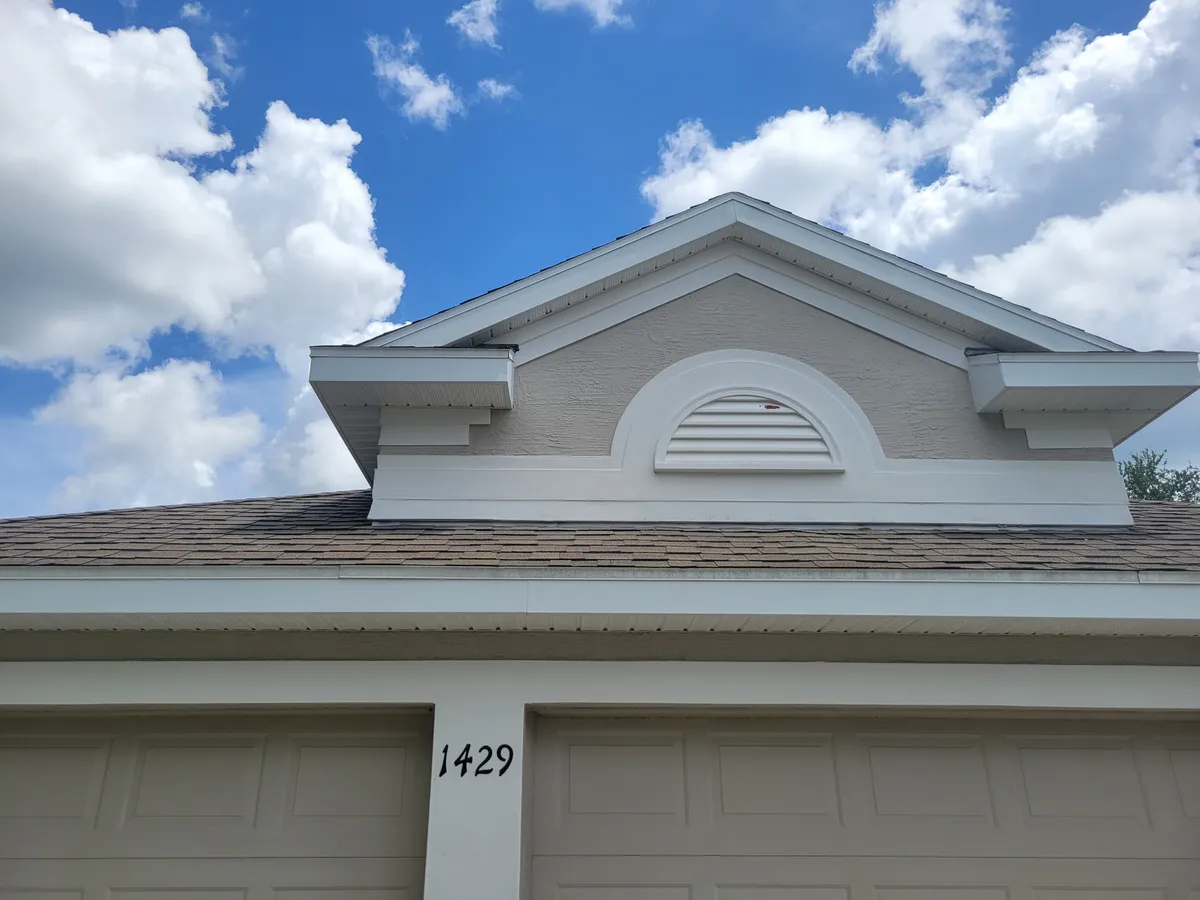
- House exterior. Soft washing removes the pollen film from stucco, siding, and painted surfaces. North-facing walls hold pollen longer because they get less direct sun to dry them.
- Roof. Pollen collects in roof valleys, behind penetrations, and along gutters. A soft wash treatment cleans the surface and applies a mildewcide that slows regrowth through the summer.
- Pool cage and screen enclosure. Pollen sticks to screen mesh and aluminum frames. If not removed, it becomes a base layer for the green algae that thrives in summer humidity.
- Gutters. Pollen clogs gutters and downspouts when it mixes with moisture and leaf debris. Clogged gutters overflow onto fascia boards and foundation landscaping.
When Should You Schedule Post-Pollen Cleaning?
The ideal window for post-pollen exterior cleaning in Central Florida is late April through early June. This catches the gap between the end of heavy pollen drop and the start of the summer rainy season. Cleaning during this window gives you the longest stretch of clean surfaces before fall.
If you live in an HOA community with annual exterior inspections, spring cleaning is especially important. Many HOAs in Lake Mary, Winter Springs, and Winter Park conduct inspections in early summer, and a post-pollen cleaning ensures you pass without issues.