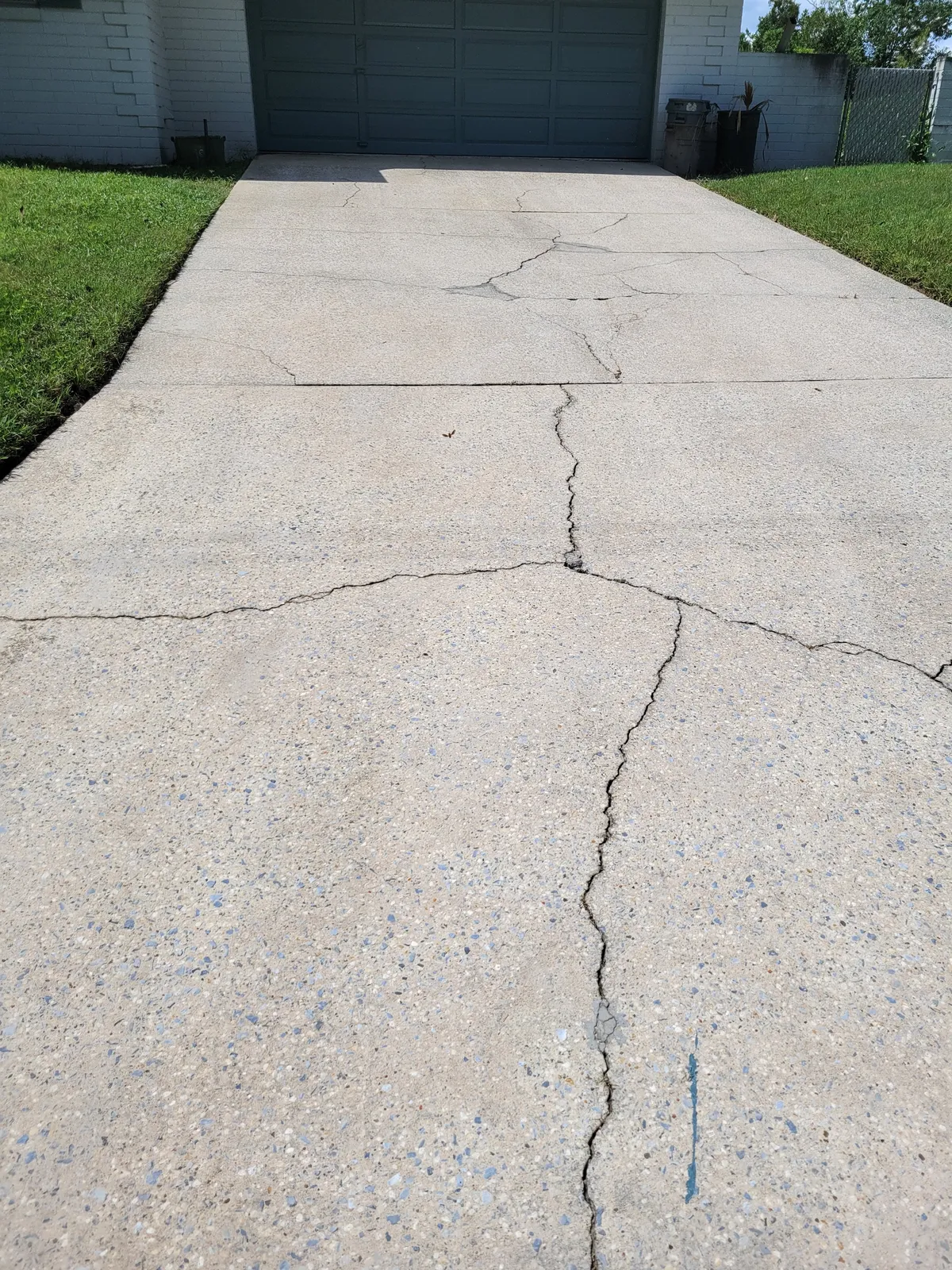
Concrete Sealing
Clean concrete stays clean about half as long as sealed concrete in Florida. Seal it after a cleaning and you go twice as long before the next one.
Classic Pressure Washing & Window Cleaning seals driveways, patios, pool decks, walkways, and garage floors across Orange City, Volusia, Seminole, and Orange counties. Acrylic (wet look or matte) and penetrating sealers available. Locks out moisture, blocks rust and organic staining, and doubles the time between cleanings. Most jobs cost $300 to $600. Best results when paired with a fresh concrete cleaning. Rated 5.0 stars from 47+ Google reviews. Licensed, insured, locally owned since 2018. Free estimates, same-day response.
Why seal concrete in Florida?
Concrete is porous. In Central Florida, that means every afternoon thunderstorm pushes water into the surface. That moisture brings in algae spores, mold, and dissolved minerals that stain from the inside out. UV breaks down the surface layer year-round. Within 12 to 18 months of a professional concrete cleaning, an unsealed surface looks like it was never touched.
Sealing fills those pores with a protective barrier. Water beads on the surface instead of soaking in. Algae and mold can't anchor into the concrete. Rust stains from irrigation water sit on top of the sealer instead of bonding to the slab. The result: your concrete stays cleaner, longer, and the next cleaning is faster and cheaper. The American Concrete Institute recommends sealing as one of the most effective ways to extend the service life of exterior concrete in humid climates.
Acrylic sealers vs. penetrating sealers
Two categories of sealer, and each one works differently. Acrylic sealers form a film on top of the concrete. They come in wet look (glossy, darkens the surface) or matte (subtle sheen, minimal color change). Acrylics are popular for driveways, patios, and walkways where homeowners want a visible improvement in appearance.
Penetrating sealers soak into the concrete and react chemically with the minerals in the slab. They don't change the look of the surface at all, but they block moisture and contaminants from getting in. Penetrating sealers are the better choice for pool decks (no added slipperiness) and for homeowners who want protection without any cosmetic change. The Concrete Network has a solid breakdown of the differences between sealer types.
What surfaces we seal
We seal all poured concrete surfaces: driveways, patios, pool decks, sidewalks, walkways, and garage floors. Stamped concrete, colored concrete, exposed aggregate, and standard gray slabs all benefit from sealing. This service is for poured concrete only. If you have interlocking brick or stone pavers, you need paver sealing instead, which uses different products and techniques designed for jointed surfaces.
Best done right after a cleaning
Sealer bonds to the concrete surface. If there is algae, dirt, oil, or old degraded sealer still on top, the new coat bonds to that layer instead of the concrete and will peel or flake within months. That is why we always recommend a thorough pressure washing before sealing. The concrete needs to be clean down to bare surface and fully dry before the sealer goes on.
We schedule cleaning and sealing within the same week so nothing has time to grow back between jobs. If you recently had your concrete cleaned by our crew, we already have your property on file and can quote the sealing without a second site visit.
How sealing saves you money over time
Unsealed concrete in Central Florida typically needs cleaning every 12 to 18 months. Sealed concrete goes 24 to 36 months because the sealer prevents algae and mold from anchoring into the pores. This is especially noticeable on driveways, where regular driveway cleaning paired with sealing produces the best long-term results. When growth does appear on a sealed surface, it sits on top of the coating and comes off faster during the next cleaning. Over five years, homeowners who seal after every cleaning spend less on total maintenance than those who skip sealing and clean more often. According to the EPA, sealed and maintained concrete surfaces also help reduce runoff contamination by limiting the absorption of pollutants into the slab.
What's included
- Surface inspection and sealer recommendation
- Wet look, matte, or penetrating finish (your choice)
- Even application with roller and sprayer
- Second coat on high-traffic areas
- Edge and joint detailing
- 24-48 hour cure time walkthrough
Cleaning + sealing together
Most homeowners pair sealing with a concrete cleaning. We schedule both in the same week so the sealer goes onto a fresh surface. Ask for a combined quote.
Concrete Sealing FAQ
What is the difference between concrete sealing and paver sealing?
How much does concrete sealing cost in Central Florida?
Should I seal my concrete right after it is cleaned?
What is the difference between acrylic sealers and penetrating sealers?
How long does concrete sealer last in Florida?
Can you seal stamped or colored concrete?
Do I need to stay off my driveway after sealing?
Related Services
Concrete sealing pairs with cleaning and hardscape restoration for the best long-term results.
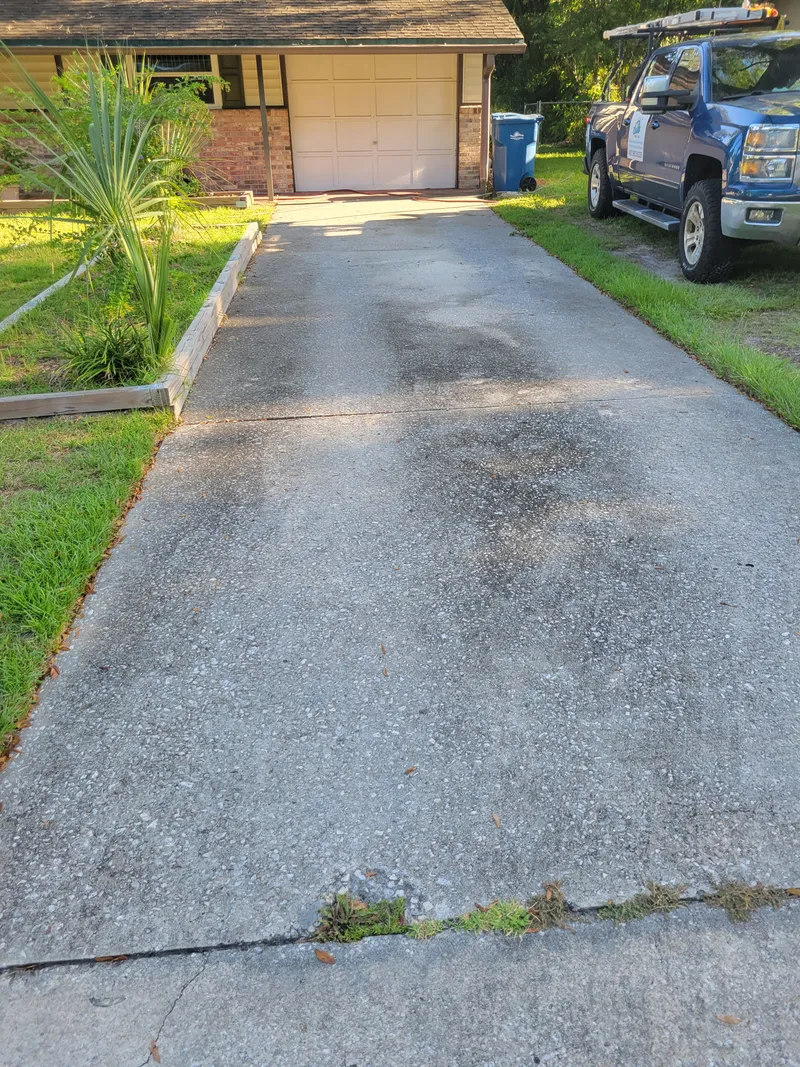
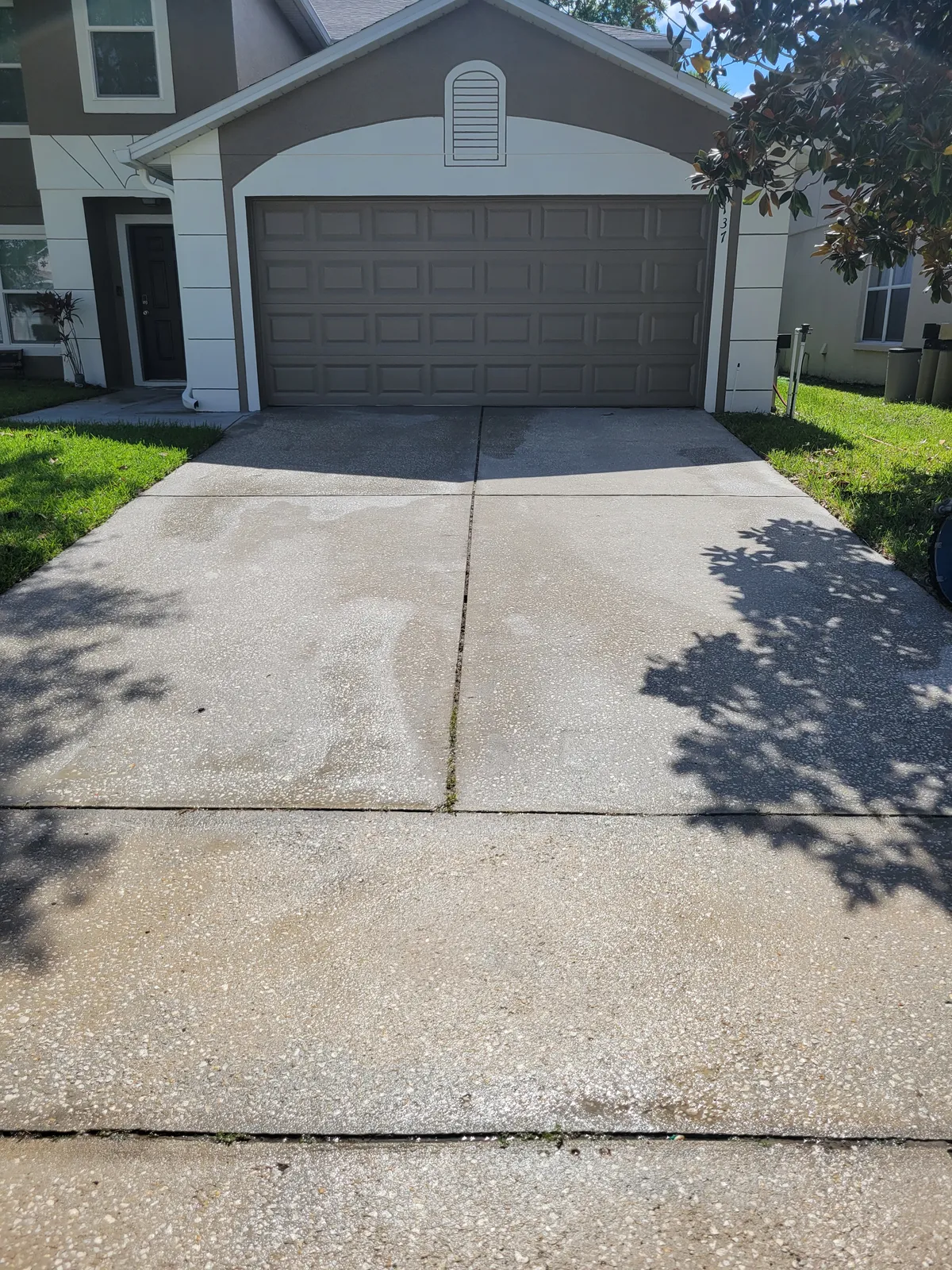
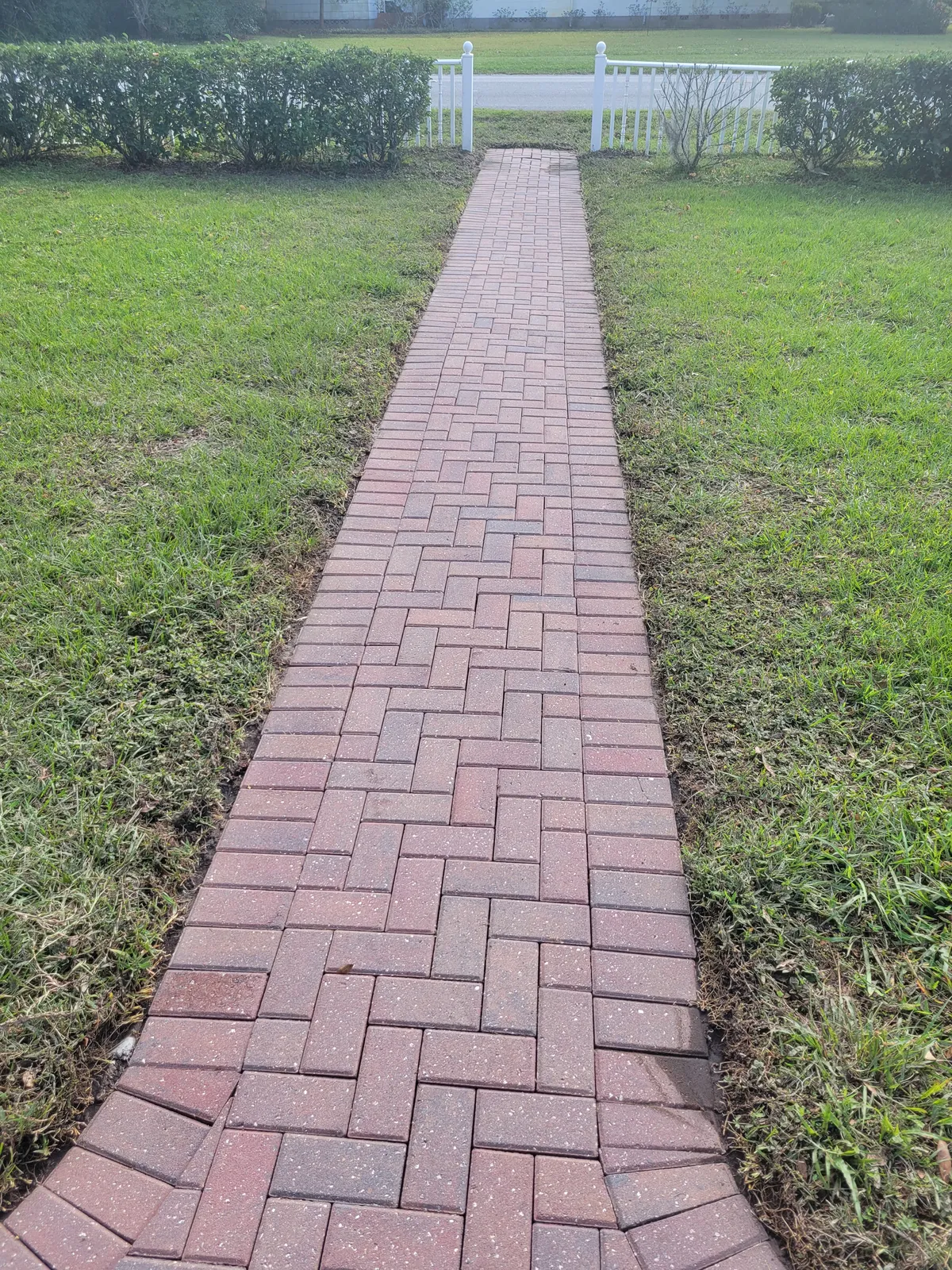
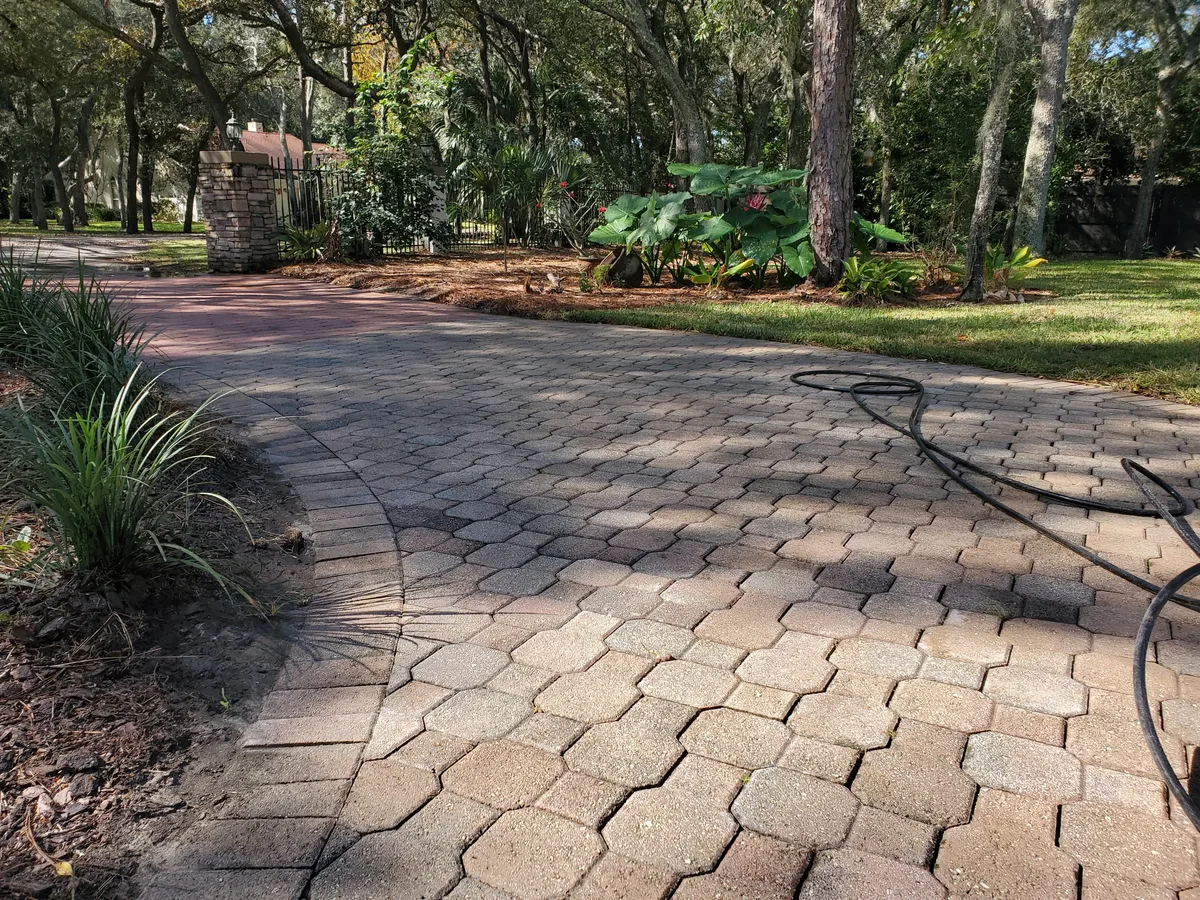
Concrete Sealing across Central Florida
Clean concrete fades. Sealed concrete holds.
Lock out moisture, block staining, and go twice as long before the next cleaning. Free estimates across Volusia, Seminole, and Orange counties.